What the frames are made from
uPVC, timber, aluminium and composite frames all behave differently, so the material matters before anything else is decided.

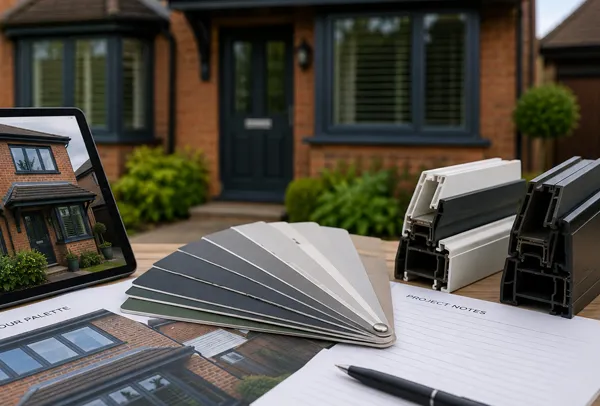
Window frames can have a surprisingly big effect on how the outside of a house looks. When they are faded, stained or simply the wrong colour, they can make an otherwise tidy property feel a little dated.
If the windows themselves are still working well, changing the finish can be a practical way to freshen them up without replacing perfectly usable frames.
We work with suitable uPVC, timber, aluminium and composite frames. Send us a few photos of the property and we can take an initial look at the material, condition and colour change you have in mind.
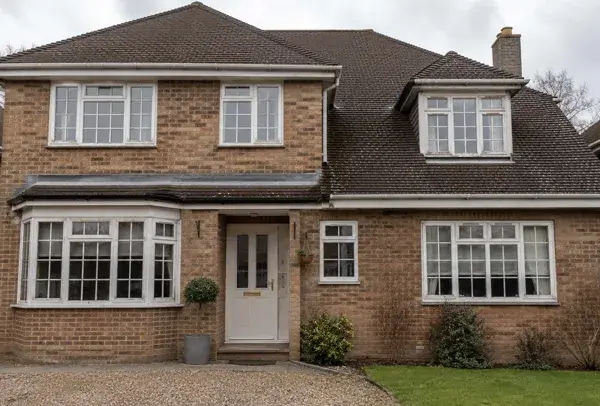
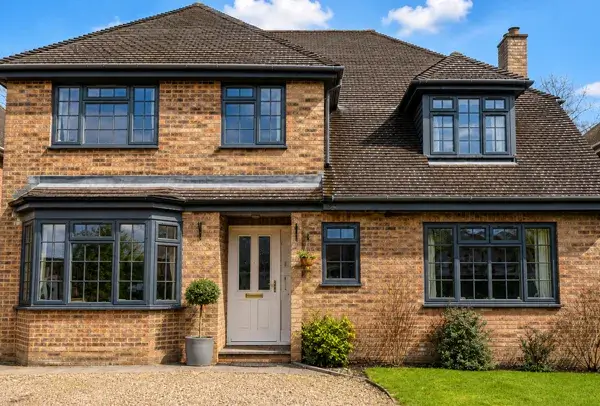
Windows naturally draw the eye because they repeat across the front of the house. If every frame looks tired, the effect is much more noticeable than one small patch of faded paint elsewhere.
A new finish can sharpen everything up and make older windows sit more comfortably with a newer front door, garage door or roofline.
The aim is not to make the frames look obviously painted. Ideally, they should simply look like they have always belonged with the rest of the property.
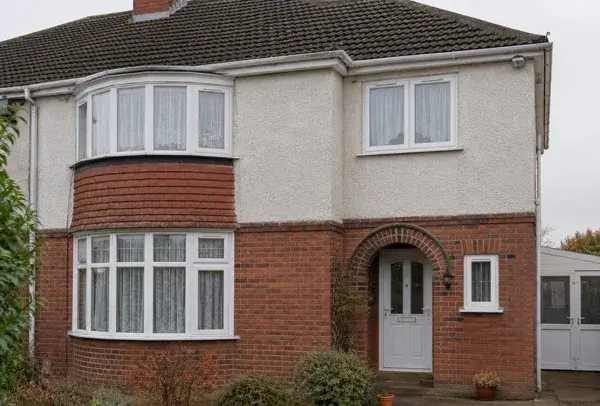
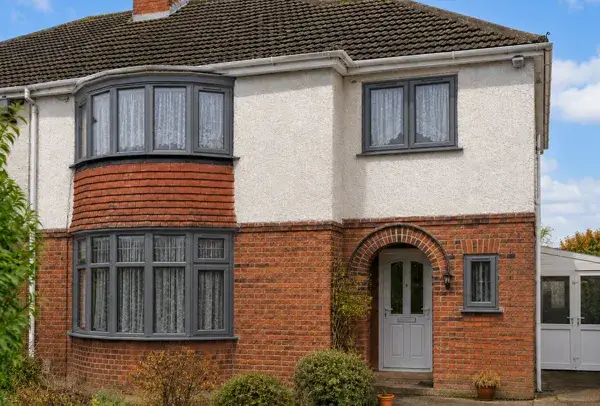
Plenty of homes still have perfectly usable white uPVC windows even though the owners would choose a completely different colour if they were fitting them today.
Grey and black are common choices, but they are far from the only options. On some homes, a softer grey, cream, green or more muted shade can look much more natural.
Because the colour will appear across every window, it is worth looking at the entire property rather than choosing from a small sample in isolation.
Two houses with the same number of windows can be completely different jobs. The type of frame, its condition and how easy it is to reach all matter.
uPVC, timber, aluminium and composite frames all behave differently, so the material matters before anything else is decided.
Fading, chalking, peeling paint, scratches and old coatings can all change the amount of preparation required.
Upper windows, deep reveals, extensions and awkward corners can all affect how the work needs to be planned.
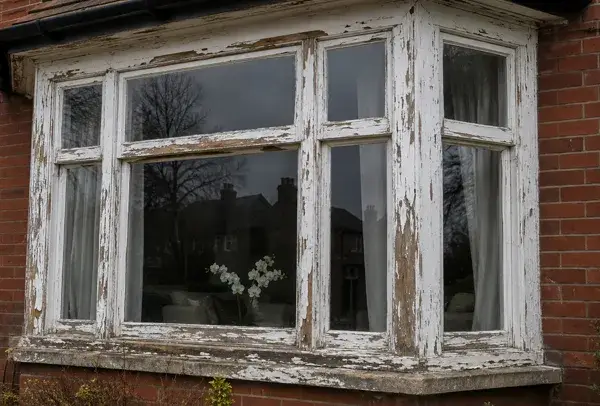
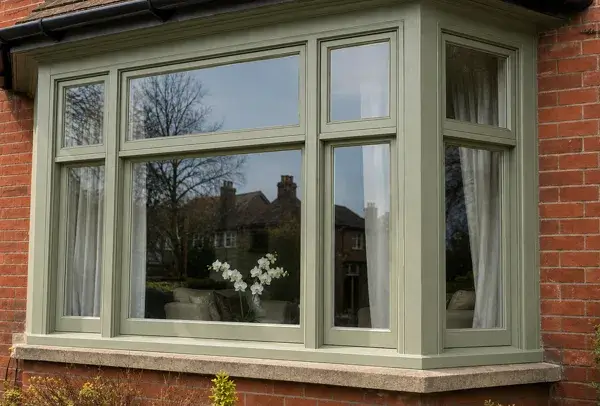
Timber windows have a character that many homeowners would rather keep than replace, but they do need looking after as the existing paintwork ages.
Loose paint, exposed timber, open joints and weathered edges all need attention before another finish goes on. Simply adding more paint over a failing surface is unlikely to give a tidy result.
Where the timber itself is sound, repainting can make the windows look much better while keeping their original proportions and character.
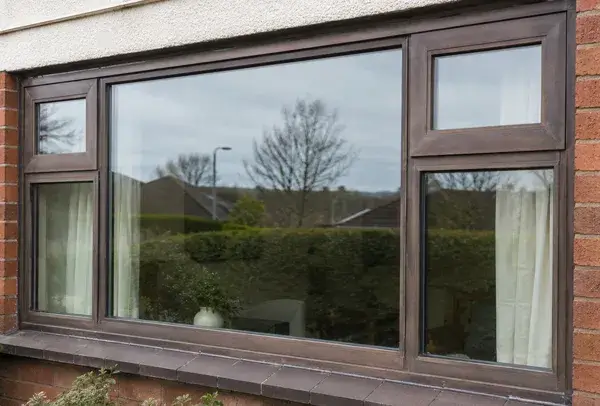
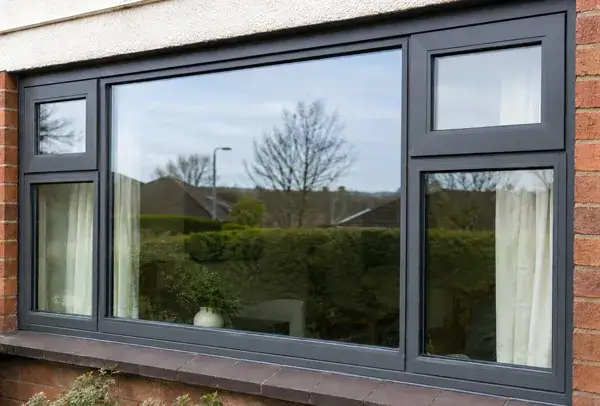
Aluminium windows can remain strong and perfectly serviceable long after their original colour has started to look dated.
On suitable frames, spraying can give the surface an even finish while working well around the slimmer lines and details commonly found on aluminium windows.
Clean masking around the glass, seals and surrounding surfaces is particularly important because any untidy edges tend to stand out against narrow aluminium profiles.
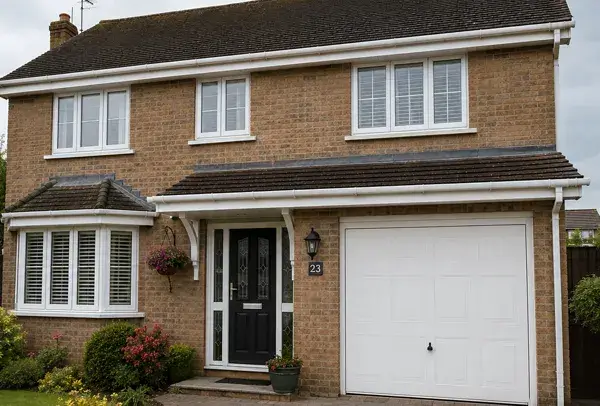
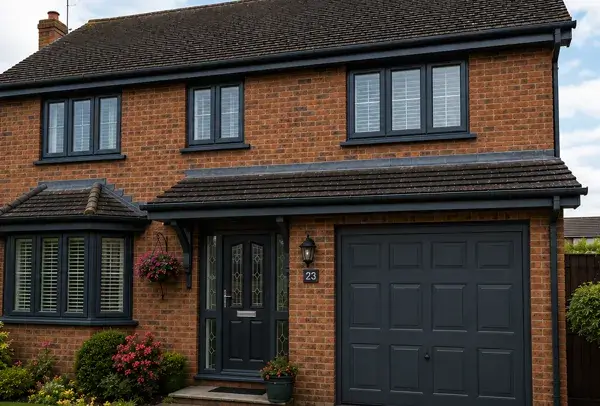
A window colour can look great on a small sample and completely different once it appears ten or fifteen times across the front of a house.
That is why we prefer to look at the wider property. Brickwork, render, the roof, gutters, doors and other painted features all affect whether a frame colour feels right.
If you are also thinking about changing your front door or garage door , it can be useful to consider those colours together rather than making each decision separately.
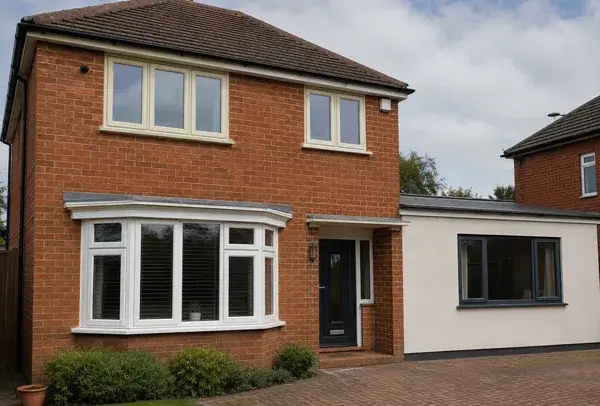
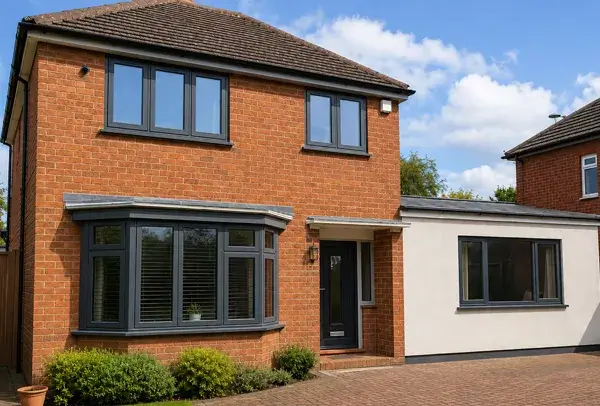
Homes change over time. An extension may have newer windows than the original house, one side may have been replaced years later, or several different frame materials may have been used.
That is why we do not assume every frame can be treated in exactly the same way. Composite and mixed-material windows need to be checked so we understand what surface we are actually dealing with.
Where painting is suitable, the goal is usually to make the windows look more consistent from the outside even if the materials beneath the finish are different.
When the job is finished, the first thing most people notice is the colour. What makes that colour look good, though, is all the quieter work around it.
Frames need to be cleaned and prepared properly, while glass, seals, sills, brickwork and render need to be protected so the lines around the windows stay crisp.
The exact preparation depends on what the frames are made from and the condition they are currently in, which is why seeing the property first is useful.
In many cases, yes. A clear photo of the property, a closer look at the frames and pictures of any problem areas are usually enough for us to give some initial advice.
No. Painting changes the appearance and surface finish only. Draughts, failed seals, leaks or mechanical problems need to be dealt with separately.
Yes. Many homeowners only want the exterior frames changed because that is the part visible from outside. We can look at the property and advise what makes sense.
Possibly, but dark colours do not suit every property or every frame. We prefer to look at the house as a whole before recommending a colour.
Glass, brickwork, render, sills and other nearby surfaces are protected as needed before the coating is applied. Careful masking is an important part of getting clean edges.
Photos of the property and frames are a good starting point. The frame material, condition, access, number of windows and the colour change you want all help us understand the job.